Text should not be too long per line except if the user explicitly wants that. This page demonstrates some of the variants.
Regular Text
Animals and plants, though distinct in their structures and functions, share fundamental biological principles that underpin life on Earth. Animals are multicellular organisms belonging to the kingdom Animalia, while plants are members of the kingdom Plantae. These two kingdoms represent the main branches of eukaryotic life, displaying unique adaptations and characteristics.
One of the key differences between animals and plants lies in their modes of nutrition. Animals are heterotrophs, meaning they rely on external sources for organic molecules and energy. They have evolved various mechanisms for acquiring food, such as predation, herbivory, or scavenging. In contrast, plants are autotrophs, capable of producing their own food through photosynthesis. By utilizing chlorophyll-containing organelles called chloroplasts, plants convert sunlight, water, and carbon dioxide into glucose and oxygen, serving as the foundation of the food chain.
Wider Text (using a Layout)
Another notable distinction is the cellular organization exhibited by animals and plants. Animals possess specialized tissues and organs organized into complex systems, facilitating their diverse physiological processes. From the nervous system of a mammal to the respiratory system of a bird, animals exhibit remarkable anatomical adaptations to carry out specific functions. On the other hand, plants exhibit a more modular organization with their cells, tissues, and organs. Plant cells are encased in rigid cell walls made of cellulose, providing structural support and protection. These cells form tissues, which in turn give rise to organs such as leaves, stems, and roots.
Reproduction strategies also differ between animals and plants. Animals reproduce either sexually or asexually, depending on the species. Sexual reproduction involves the fusion of gametes from two individuals, resulting in genetic diversity and offspring with unique characteristics. In contrast, asexual reproduction enables plants to generate genetically identical clones of themselves, ensuring the preservation of favorable traits. Many plants also have the ability to reproduce sexually by producing flowers and utilizing pollinators to transfer pollen between individuals.
Full Width Text (using a Layout)
Furthermore, animals and plants have distinct responses to their environments. Animals possess sensory organs and nervous systems that allow them to perceive and respond to stimuli rapidly. They can move, hunt, and exhibit complex behaviors in response to changing conditions. Plants, being sessile organisms, have evolved alternative strategies. They display tropisms, which are growth responses toward or away from external stimuli like light and gravity. Additionally, plants can undergo physiological adaptations, such as altering their stomatal openings to regulate water loss in response to drought conditions.
In conclusion, while animals and plants have different biological characteristics and adaptations, they are intricately connected as essential components of Earth's ecosystems. Each group has evolved unique strategies to ensure survival and perpetuation, ultimately contributing to the diversity and balance of life on our planet.
Centered Box (using a Layout)
The survival tactics employed by animals and plants complement each other in interesting ways. Animals often depend on plants for food and shelter, and in return, they help in the dispersal of plant seeds, facilitating their propagation. Conversely, many plants rely on animals for pollination, utilizing nectar as a lure for birds and insects, thereby ensuring the continuation of their species.
Animals' agility and adaptability in dealing with their environments are remarkable. A bird's ability to migrate thousands of miles to avoid harsh winters is just one example of how animals can alter their behavior and location in response to environmental conditions. They also exhibit phenotypic plasticity, modifying their physiology or behavior to better suit their surroundings. An example of this is how certain species of fish can change color to camouflage themselves from predators.
Text Containing Wider Elements
Here is a table to compare plants and animals in regards to some key characteristics for a general overview about differences and similarities.
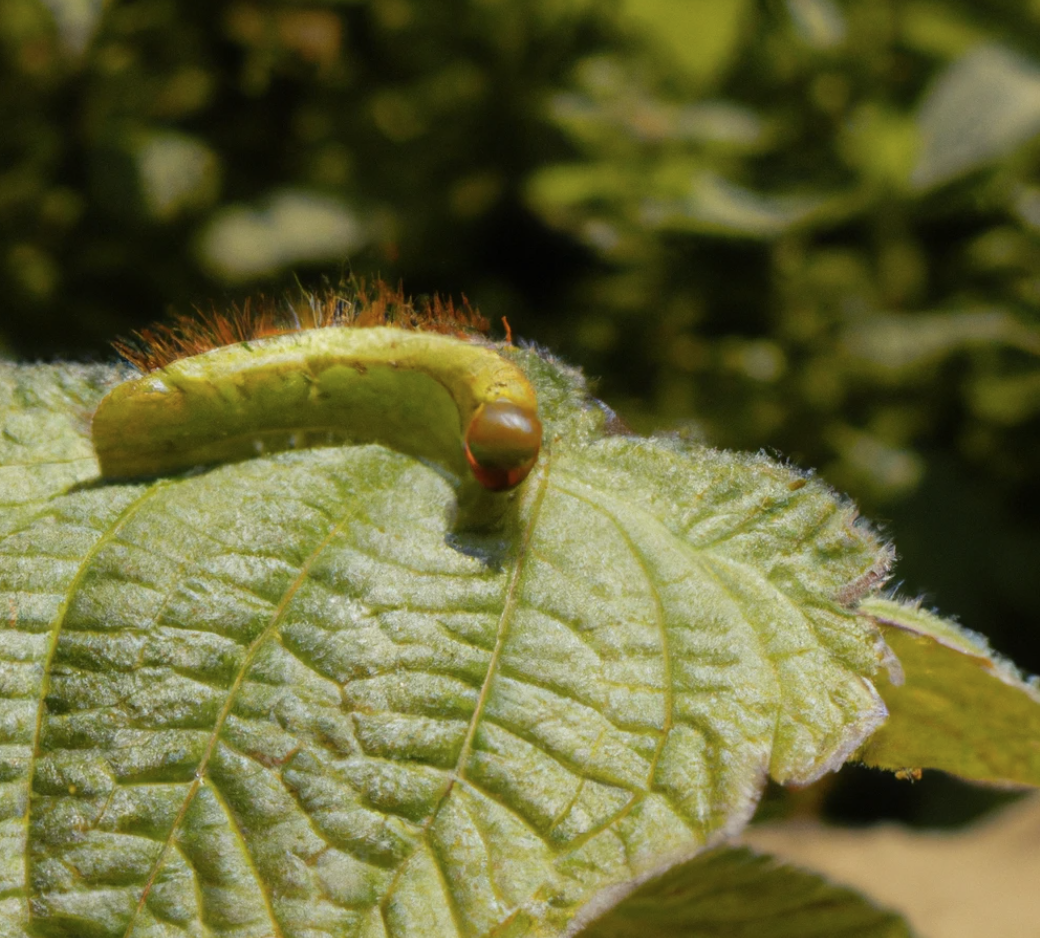
Animals vs. Plants: A Comparison of Key Characteristics
Characteristic | Animals | Plants |
|---|---|---|
Nutrition | Heterotrophs | Autotrophs |
Cellular Organization | Specialized tissues and organs | Modular organization of cells, tissues, and organs |
Reproduction | Sexual or asexual reproduction | Asexual reproduction (cloning) and sexual reproduction (flowers and pollination) |
Environmental Responses | Rapid response through sensory organs and nervous systems | Tropisms (growth responses) and physiological adaptations |
Structural Support | Internal skeletal system | Rigid cell walls (cellulose) for support |
Mobility | Most animals can move | Sessile organisms (limited or no mobility) |
Growth | Determinate growth | Indeterminate growth (continual growth throughout life) |
Respiration | Varied mechanisms (e.g., lungs, gills, skin) | Primarily through stomata (exchange of gases in leaves) |
Communication | Verbal, visual, and chemical signals | Chemical signals (e.g., pheromones) and responses to environmental cues |
Examples | Mammals, birds, insects, fish, reptiles | Trees, flowers, grasses, ferns, algae |
Please note that this table provides a general overview and that there may be exceptions or additional complexities within each category. It serves as a starting point to understand the primary differences between animals and plants from a biological perspective.
